Compare top wine brand design agencies for standout packaging, strategy, and digital growth—find your sweet spot with expert insights.
.svg)


A great agency understands the fast-moving dynamics of the modern beverage aisle. Between shifts in consumer spending, retail shelf space compression, and strict labeling compliance laws, the stakes are high. We see wineries navigate everything from Alcohol and Tobacco Tax and Trade Bureau regulations to regional appellation rules. A dedicated creative team knows how to weave mandatory legal statements, barcode placements, and alcohol by volume percentages into an aesthetically pleasing design layout.
The broader beer and wine industry continues to experience rapid shifts toward sustainable packaging and direct-to-consumer digital channels. Modern wine buyers actively seek out alternative closures, lighter glass options, and eco-friendly label stocks. A top-tier partner guides you through these materials, ensuring your brand preserves its premium shelf appeal while reducing freight costs and environmental impact.
| Evaluation Factor | Specialized Wine Design Agency | Generalist Branding Firm |
|---|---|---|
| Technical Print Knowledge | Deep expertise in wet-strength papers, foil stamping, multi-level embossing, and high-speed bottling application | Basic knowledge of CMYK print processes, often missing label durability nuances |
| Portfolio Architecture | Proven systems for tiering varietals, reserve bottles, and sub-appellations | Standard brand guidelines that struggle to scale across dozens of SKUs |
| Regulatory Compliance | Fluent in federal labeling requirements, net contents placement, and vintage rules | Requires external consulting or repeated label revisions to pass compliance |
| Route-to-Market Strategy | Understands three-tier distributor systems, on-premise menus, and tasting room direct sales | Focuses primarily on digital direct-to-consumer mockups |
| Material Sourcing | Direct connections with specialized label printers, glass manufacturers, and capsule producers | Relies on standard commercial paper vendors |
Working with a dedicated wine label design agency means gaining access to specialized technical and strategic capabilities. The physical label is a tactile object that consumers hold in their hands, rotate under retail lighting, and store in ice buckets.
Essential deliverables include:
Industry leaders, such as Jeanette Weisner - Studio Owner at Wine & Design Charlotte, have long recognized how social interaction and community engagement shape how consumers connect with wine. Bringing that warmth and storytelling into the visual identity creates a memorable consumer journey.
A central challenge in wine branding is balancing regional heritage with contemporary design sensibility. Many vineyards carry decades or centuries of tradition, family history, and deep connections to their soil. When building a brand strategy, we focus on unearthing those unique stories and presenting them with crisp, legible typography and intentional composition.
Modern wine buyers, including younger collectors, often look for clean label aesthetics, expressive illustrations, and transparent origin details. Balancing classic estate elements with bold color palettes or minimalist layouts makes a brand feel timeless rather than dated. Simple, not easy. Clarity is a gift when communicating vineyard practices, microclimates, and varietal profiles to shoppers browsing dense store displays.
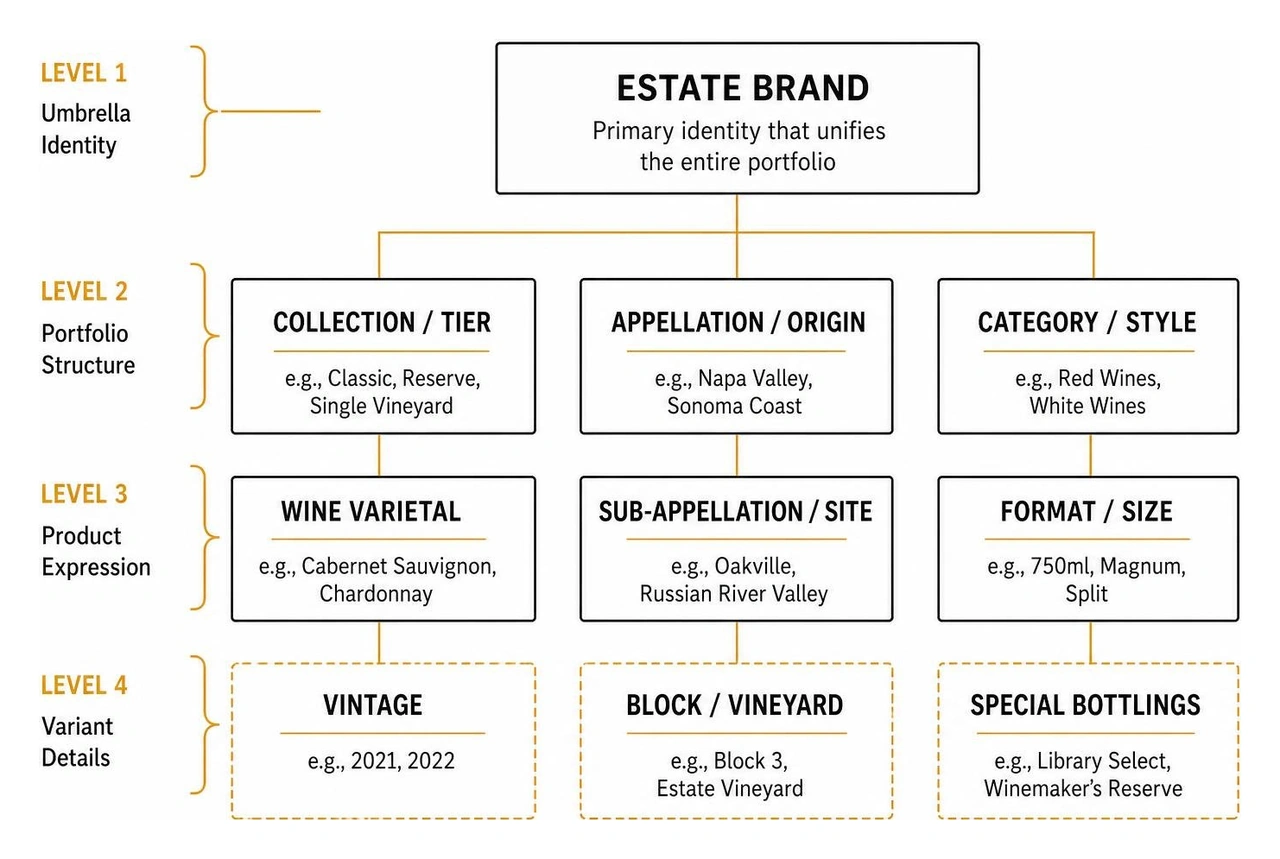
As a winery expands its production, portfolio architecture becomes essential. A growing catalog requires visual separation so a shopper can quickly tell a crisp Sauvignon Blanc from a bold Cabernet Sauvignon, while still recognizing the umbrella estate brand instantly.
A solid design framework standardizes key assets, such as the estate mark and brand typography, while introducing secondary identifiers like distinct capsule colors, accent typography, or custom foil hits to signal tier changes. This systematic structure supports entry-level everyday wines, single-vineyard bottlings, and high-end reserve selections without diluting the core brand equity. Clear visual tiering helps retail floor staff, sommeliers, and distributors position each bottle at the right price tier with confidence.
Strategic packaging changes directly impact retail pull-through and distribution growth. When looking at our work on the Albert Bichot wine packaging project, the priority was refining estate heritage while giving the brand a clean presence in competitive retail environments. By sharpening the typographical hierarchy, selecting premium tactile stocks, and refining the visual crest, the estate reinforced its historic reputation while standing out across international distribution channels.
When redesigning an existing label family, maintaining recognizable brand cues ensures loyal customers remain confident while welcoming new buyers to the brand. Careful refinement of vintage crests and color palettes creates a fresh presentation that respects long-standing brand equity.
A wine brand lives far beyond the physical shelf. Direct-to-consumer sales, digital allocations, and virtual tastings make the digital footprint just as crucial as the physical bottle. When building an engaging wine importer website, digital architecture must handle age verification, regional shipping restrictions, allocation club software, and technical trade portals.
We build modern websites using platforms like Webflow and WordPress, giving wineries flexible tools to manage bottle inventories, tasting notes, press reviews, and private event bookings with total ease. Seamless digital integration ensures wholesale buyers and individual consumers enjoy a consistent, polished experience from their first screen interaction to uncorking the bottle.
Bringing a new wine packaging system to life requires a structured, multi-phase workflow. We operate as a 10-person fractional creative team, serving as an extension of your team throughout every production stage.
That fractional model gives wineries one coordinated partner for brand identity and strategy, web design and development in Webflow and WordPress, content creation and copywriting, performance marketing, and our AI Brand Framework. The result is a practical workflow where the bottle, website, tasting room, and launch campaign all feel connected.
When reviewing potential agency partners, look for deep expertise in both strategic development and the technical realities of print manufacturing.
Key criteria to evaluate include:
Our team believes in open communication, creative rigor, and making every step of the process enjoyable. Be the meeting you want to go to.
A complete brand identity and packaging redesign typically takes between three to six months. This timeline accounts for strategic discovery, multiple design iterations, technical dieline preparation, regulatory review through federal agencies, printer proofing, and tooling production before the bottles hit the bottling line.
Wine packaging requires specialized materials and structural considerations. Label papers must feature high wet-strength properties to endure cold boxes and ice buckets without bubbling or disintegrating. Label geometry must also match specific glass taper dimensions to prevent creasing during high-speed bottling application.
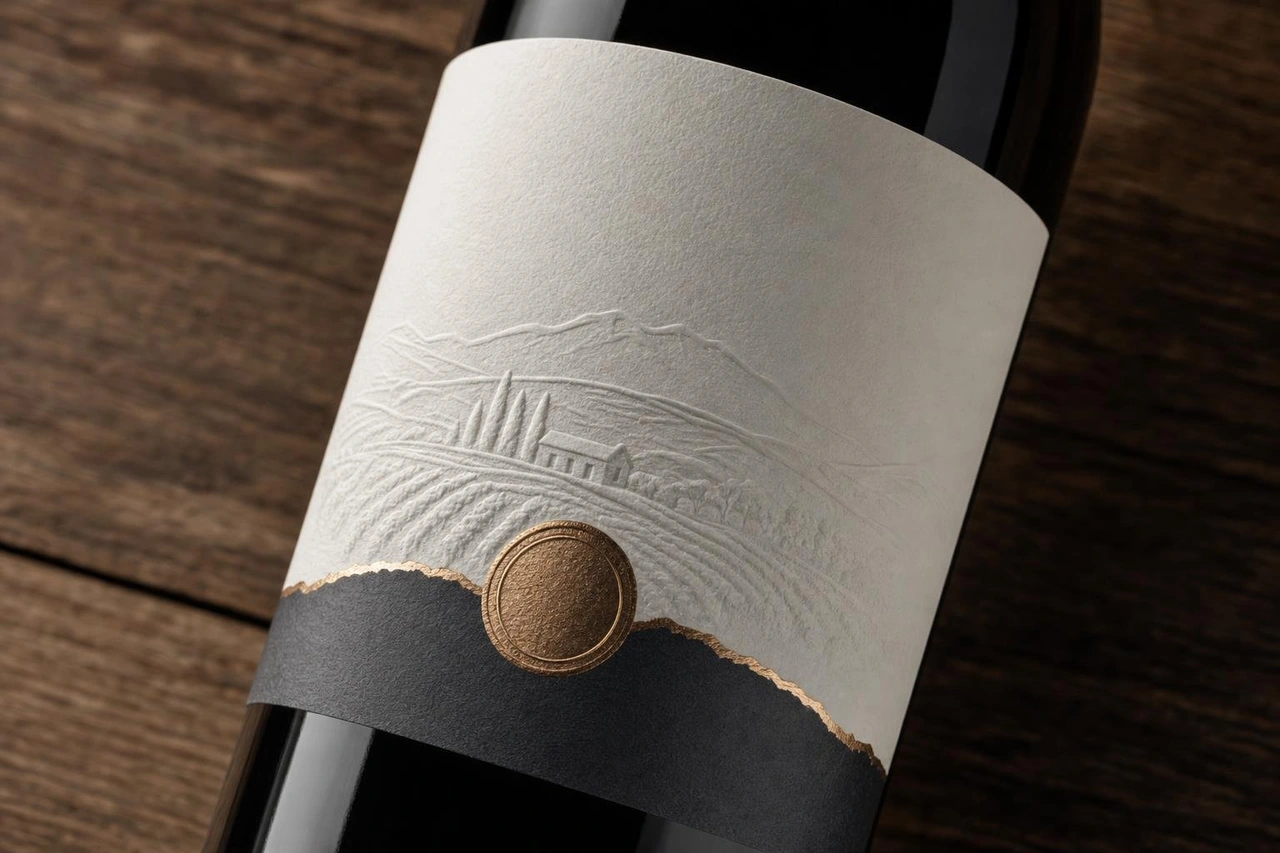
Agencies use high-performance post-consumer waste papers, lightweight glass molds, and waterless digital printing technologies. By combining textured, FSC-certified cotton papers with delicate foil accents or blind debossing, a bottle achieves a premium hand-feel while significantly lowering its environmental footprint.
A well-crafted wine brand creates an immediate connection on the retail shelf, drives tasting room excitement, and establishes long-term equity across every vintage. By combining strategic clarity, technical print mastery, and compelling visual storytelling, our team helps winemakers and importers build lasting value in an exciting category.
As a 10-person creative studio with 16 years of experience operating as a fractional creative team, we are ready to help you find your sweet spot. Reach out to our Charlotte branding and website design agency team today. Excited to continue building memorable beverage brands that stand out and grow.