Find the perfect real estate website design templates with our ultimate checklist covering MLS integration, lead capture, SEO, and customization.

.svg)


Selecting the right layout goes far beyond picking nice fonts and crisp photography. A functional real estate web presence serves as a digital storefront, property catalog, and conversion engine. Every visitor arrives with specific intent, whether they want to browse neighborhood listings, schedule a private walkthrough, or evaluate commercial lease terms.
Property seekers expect lightning-fast search tools with instant filtering options. A template must handle complex property data without slowing down page load times or confusing users.
Key technical requirements include:
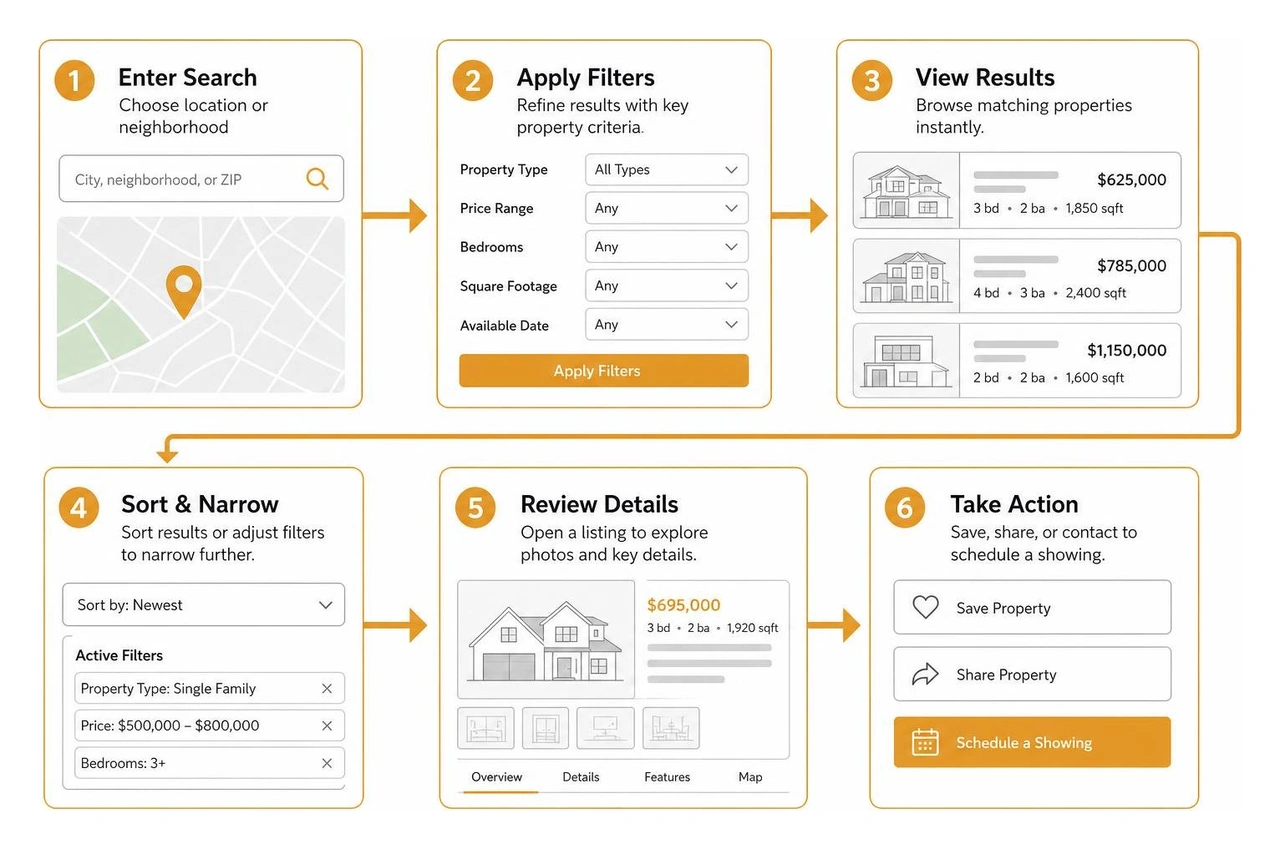
Traffic without clear conversion paths produces zero pipeline value. A great template guides visitors toward measurable actions at every touchpoint. Understanding what makes a great residential real estate website means recognizing how design choices shape consumer trust.
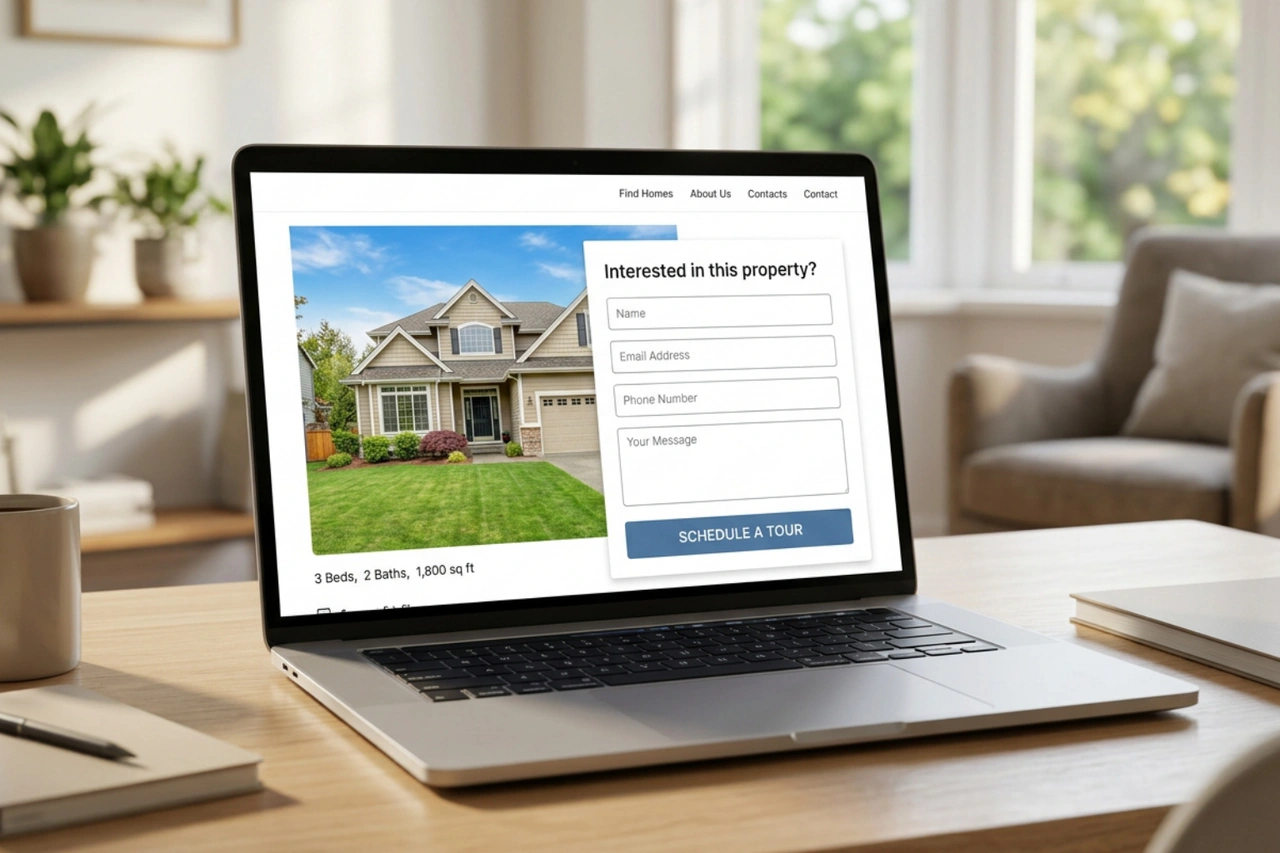
To capture serious inquiries, prioritize templates equipped with these conversion components:
Real estate templates are available across a wide variety of development platforms and asset marketplaces. Each ecosystem suits different technical capabilities, project timelines, and growth goals.
| Platform / Format | Best Used For | Customization Level | CMS & Scalability | Typical Setup Effort |
|---|---|---|---|---|
| Webflow Templates | Custom brand experiences, high-performance animations, boutique agencies | Very High (Visual code builder) | Dynamic visual CMS collections, easy team editing | Moderate (Requires visual design familiarity) |
| WordPress / Elementor Kits | Large listing databases, custom plugin setups, traditional brokerages | High (Widget-based builders) | Scalable database options, massive plugin support | Moderate to High (Plugin management required) |
| Framer Templates | Rapid landing pages, luxury portfolios, micro-interactions | High (Canvas-style layout) | Built-in lightweight CMS | Low to Moderate (Design-led workflow) |
| Figma UI Kits | Bespoke design planning, custom app/web prototyping | Complete (Design file stage) | Ready for custom front-end development | High (Requires dedicated developer hand-off) |
| HTML5 / Tailwind Templates | Bespoke custom code, headless architectures, maximum speed | Complete (Code-level editing) | Requires custom back-end integration | High (Requires front-end developer) |
| No-Code Builders (Canva, Wix) | Simple landing pages, solo agent bios, rapid single-property pages | Low to Moderate (Fixed modules) | Basic listing tools, proprietary modules | Low (Plug-and-play visual editor) |
Evaluating where to source your template comes down to how much design control and data flexibility your team requires. If you are comparing platforms, learning what is Webflow and how is it different from WordPress provides helpful context on visual control versus plugin-driven frameworks.
Modern real estate web design has moved past cluttered sidebars and dense text walls. High-performing modern property websites use clean visual storytelling to highlight listings.
Key visual trends dominating the real estate market include:
A template is simply an empty container until it reflects your distinct company voice. Adapting a layout requires disciplined branding, clean technical setup, and reliable software integrations.
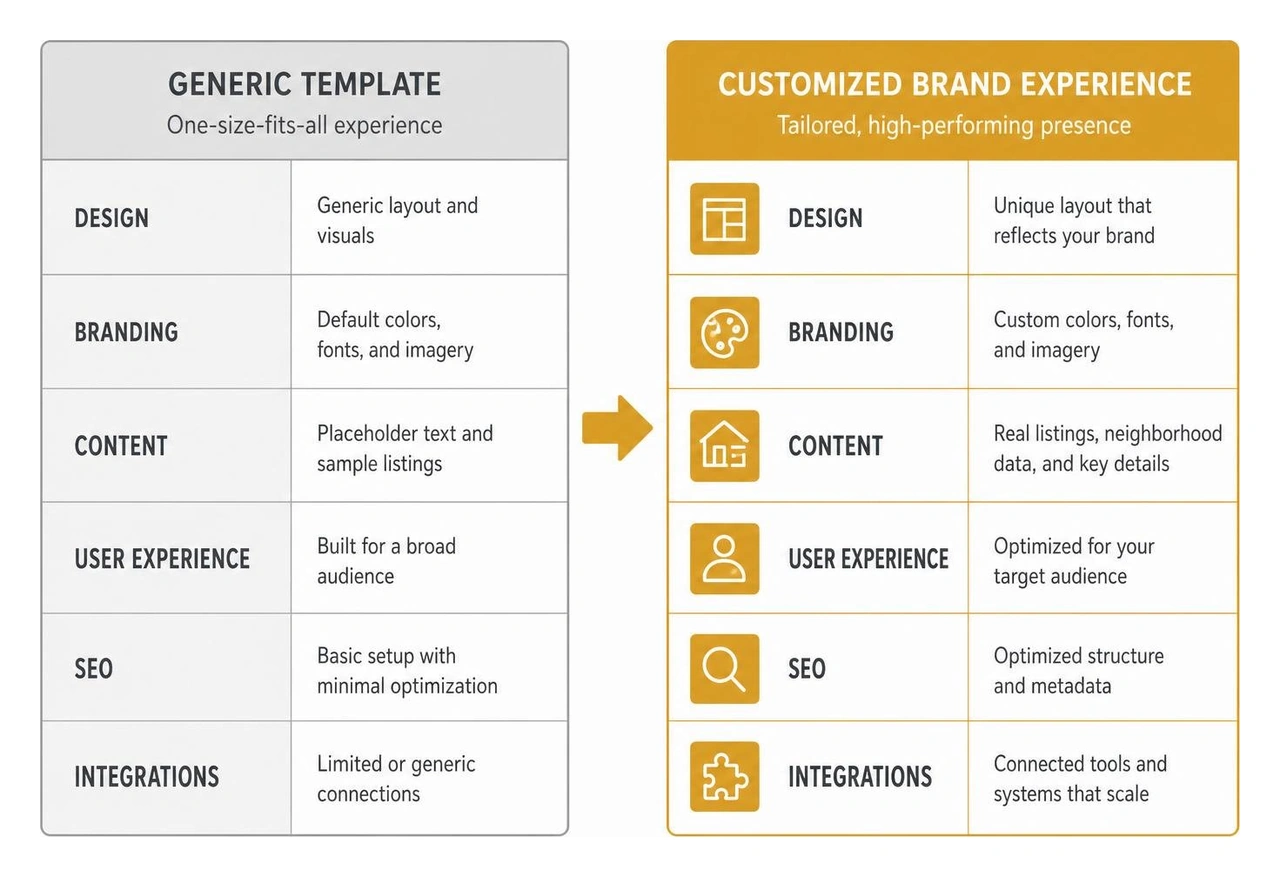
Every property sector targets a different audience. A residential buyer searches with emotion, while a commercial tenant or institutional investor looks for zoning details, traffic counts, and lease yields. Aligning your web presence starts with professional Brand Identity Logo Design and cohesive visual guidelines.
To adapt your chosen template successfully, focus on these priorities:
A visually stunning site delivers little value if search engines cannot index your listings or mobile visitors bounce due to slow load times.
Template costs vary widely based on the delivery format and platform licensing. Basic template kits on asset marketplaces or no-code platforms range from free open-source files to standard commercial licenses.
However, template purchase fees represent only a small fraction of the overall budget. Factoring in domain registration, ongoing hosting subscriptions, CMS access tiers, third-party IDX plugins, CRM connectors, and professional customization services provides a complete picture. For firms exploring larger web projects, reviewing what is the typical cost of developing a commercial real estate website helps establish realistic expectations for fully custom development versus template builds.
Yes. Modern website templates can connect to real estate management tools through various methods.
For MLS listings, templates on platforms like WordPress often rely on specialized IDX plugins that pull live property feeds directly into page layouts. On visual platforms like Webflow or custom HTML builds, teams use embedded JavaScript widgets, third-party listing sync tools, or custom API endpoints.
For customer relationship management, standard website inquiry forms can route contact information directly into popular sales CRMs and property management software through native connectors, webhooks, or automation tools like Zapier.
Templates offer an awesome, cost-effective way to get online quickly with a polished layout. However, pre-built templates come with structural boundaries. When your business model requires custom listing database architectures, bespoke investor portals, proprietary property filtering logic, or highly specialized brand positioning, template constraints can slow you down.
Firms weighing this decision often ask, why should I hire a Webflow studio instead of building it myself, and the answer centers on long-term scalability. Bespoke web design builds a tailored digital asset crafted specifically around your sales workflow and target demographic.
Choosing the right foundation from the wide variety of real estate website design templates available today gives your brokerage or property firm a huge head start. By prioritizing mobile performance, clean search filtering, simple CMS updating, and high-converting inquiry forms, you create an online presence that attracts clients and drives real business growth.
When your brand needs to move beyond off-the-shelf constraints, our team is ready to help. Social Design House is a Charlotte-based 10-person creative studio with 16 years of experience operating as a fractional creative team. We combine brand identity, Webflow and WordPress web development, performance marketing, content creation, and our AI Brand Framework to help growth-focused firms find your sweet spot.
For brokers, developers, and asset managers looking to stand out in a competitive market, our specialized Commercial Real Estate Website Marketing Charlotte services deliver custom digital platforms designed to drive inquiries. Excited to continue building memorable brand experiences, we love helping ambitious real estate teams showcase their properties with clarity and confidence.