Find the right museum website design agency to boost engagement and conversions. Learn key features, UX standards, and portfolio tips.
.svg)


Creating a modern website for a museum or cultural center takes thoughtful balance. Digital experiences in 2026 need to serve several groups at once, from first-time visitors looking for ticket prices to researchers looking through digital collections.
Evaluating submitted designs across industry awards reveals specific standards that separate great museum sites from average ones. Out of more than 4,200 website submissions reviewed by 75 veteran jury members in recent industry panels, top-performing sites highlight clear navigation, fast performance, and bold storytelling.
Finding great Museum Website Design Inspiration often comes down to seeing how top institutions showcase art while keeping practical tasks fast and frictionless.
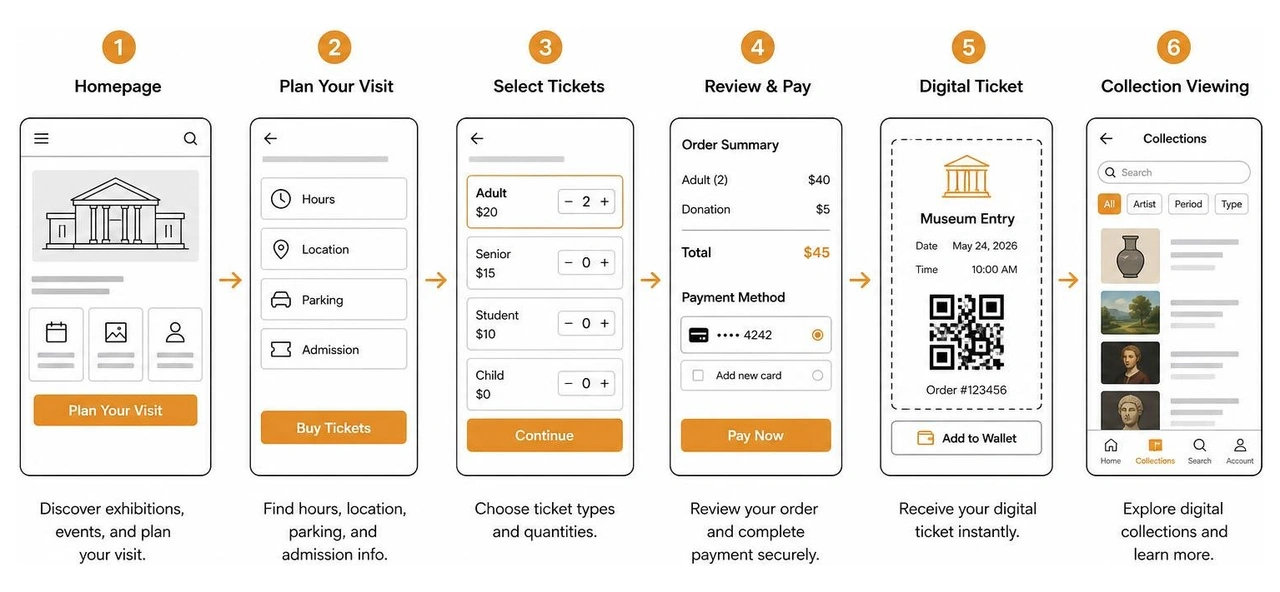
Museum websites carry a heavy functional workload. Visitors need instant answers to basic questions, such as operating hours, address details, parking info, and current admission pricing.
Key user experience features for cultural websites include:
When these user experience basics are handled well, users spend less time searching for logistics and more time enjoying the cultural content.
A specialized museum website design agency understands that custom visual identity should never make a site confusing to navigate. Brand colors, unique iconography, and expressive typography give a site its character, but wayfinding must remain completely clear.
A clear visual architecture establishes hierarchy across the site. Main navigation links point directly to core areas like exhibitions, visit planning, and membership. Secondary menus handle details like educational resources, media kits, and institutional background. Keeping visual cues consistent builds user trust and keeps visitors engaged longer.
Web design changes rapidly, but history gives us valuable design context. Looking back at early digital layout eras, including 90s search engine layouts, pixel art, and Y2K aesthetic designs from 1996 through 2005, shows how creative experimentation shaped the web.
Online archives like the Web Design Museum document early software interfaces, Netscape Navigator windows, Internet Explorer versions, and early Flash games. These archives remind us that web interfaces are historical artifacts worth archiving and remembering.
Institutions often ask, Do You Build Websites That Support Exhibitions, Programs, and Events? The answer involves designing flexible digital layouts that archive past events while keeping upcoming schedules clear and accessible.
Preserving digital history presents unique technical challenges. Old digital media built with Macromedia Flash or early web plugins can break as modern browser standards update.
Preserving past exhibitions online gives museums a lasting public archive. Instead of disappearing when physical gallery space clears out, temporary shows can live on as interactive digital exhibits.
A museum website design agency can pull inspiration from retro web aesthetics while maintaining contemporary web standards. Nostalgic visual motifs, such as bold grid structures, distinct typography, or retro pixel accents, can add personality to a site without sacrificing modern performance.
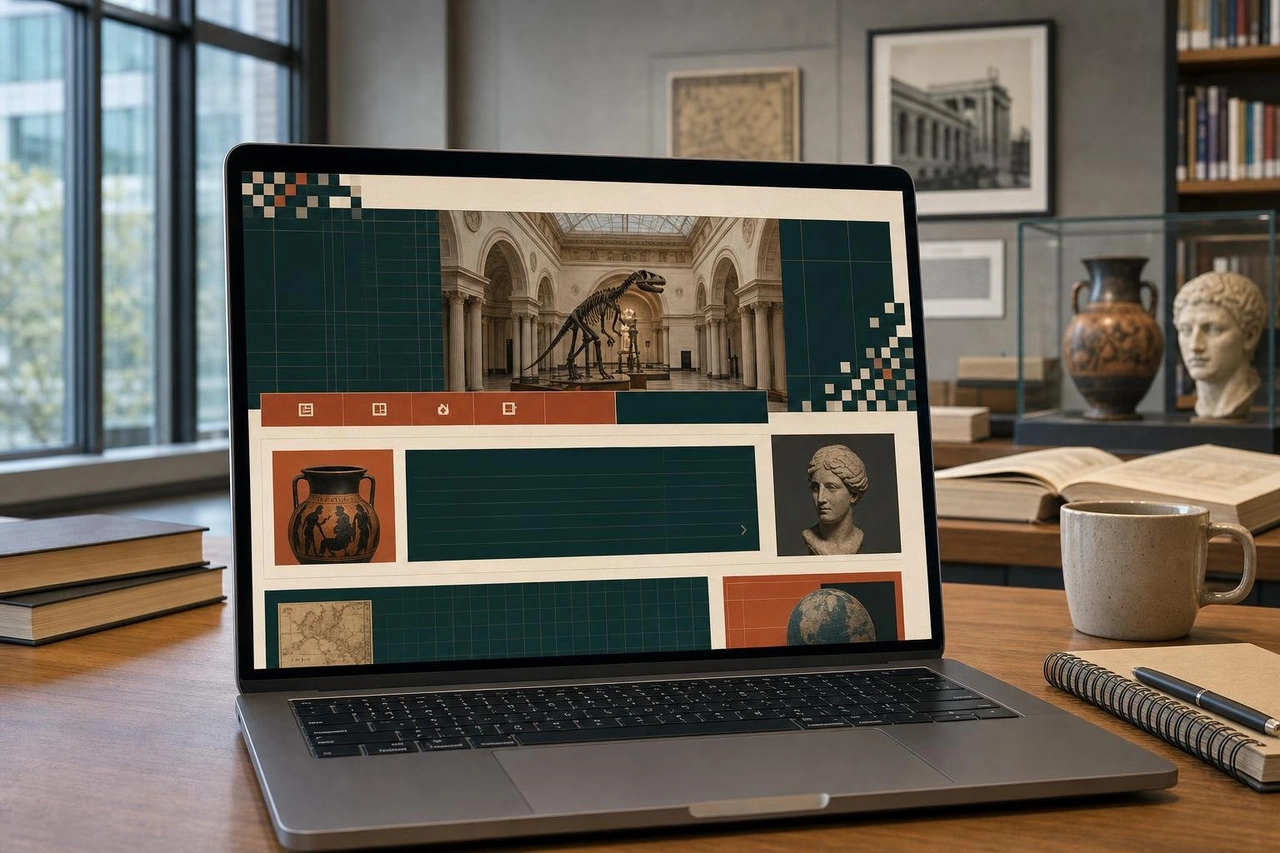
Modern sites must meet current Web Content Accessibility Guidelines (WCAG), load quickly, and function seamlessly across screen sizes. Using subtle retro visual cues within a clean, modern framework lets agencies honor design heritage while delivering a fast, accessible experience.
Selecting the right agency partner shapes how your institution communicates with the public for years. You need a team that understands institutional strategy, audience behavior, and modern web development technologies like Webflow and WordPress.
At Social Design House, we believe in building long-term working relationships. We function as a fractional creative team, helping clients manage brand strategy, content creation, custom web design, and digital marketing under one roof. Simple, not easy, but clarity is a gift when planning complex site structures.
When reviewing agency portfolios, look beyond surface-level visuals. Examine how each site performs on mobile devices, how fast pages load, and how intuitive the event calendars feel during interaction.
Key technical capabilities to verify include:
A great agency portfolio proves that the team can handle complex technical connections behind a clean visual presentation.
Industry awards panels evaluate museum web designs using rigorous standards. Jury panels made up of seasoned design leaders look closely at visual appeal, brand alignment, system performance, and content organization.
| Evaluation Area | Key Questions Jury Members Ask |
|---|---|
| Visual Architecture | Does the design reinforce the institution's visual identity clearly? |
| User Experience | Can a visitor find hours, directions, and tickets within two clicks? |
| Accessibility | Does the site support screen readers, keyboard focus, and contrast needs? |
| Technical Health | Do pages load quickly without render-blocking scripts or layout shifts? |
Focusing on these core pillars ensures your website delights online visitors while earning recognition across the creative industry.
A museum website serves as your main digital entrance. It needs to convert casual online browsers into active physical visitors, recurring donors, and passionate members.
| Feature Category | Third-Party Embedded Tools | Custom Event & Collection Portals |
|---|---|---|
| Setup Speed | Fast deployment using off-the-shelf widgets | Requires dedicated planning and custom code |
| Brand Control | Limited customization with visible vendor branding | Complete control over visual identity and UX |
| User Experience | Can feel disconnected from the main site navigation | Seamless inline experience on main domain |
| Data Control | Dependent on third-party tracking rules | Direct ownership of user interaction data |
Building direct ticketing pathways and clear member registration flows keeps bounce rates low and helps your team hit institutional conversion goals.
Cultural institutions host a constant stream of workshops, tours, lectures, and gallery openings. Managing these listings manually can slow down internal communications teams.
Integrated calendar systems let staff post an event once and feature it across related exhibit pages, home page banners, and email newsletters automatically.
For an inside look at how creative energy translates into a vibrant web project, check out Bringing Creative Energy to an Online Experience at The Mint Museum.
Interactive exhibition portals allow remote audiences to explore high-resolution artwork, read curator notes, and watch video interviews from home, opening your collections to global visitors.
Digital storytelling turns static collections into dynamic web experiences. World-class cultural sites use interactive timelines, rich media player embeds, and guided virtual tours to draw visitors into complex historic narratives.
Our work on The Mint Museum Case Study demonstrates how combining fresh identity work with thoughtful web structure creates a welcoming online presence for art lovers. Focusing on clear narrative pathways turns casual site visits into meaningful connections.
A specialized museum website design agency should offer strategic planning, brand strategy, custom UI/UX design, web development on platforms like Webflow or WordPress, content writing, and third-party software integration. To learn more about our specific approach to cultural organizations, read What Does Social Design House Specialize in for Arts and Culture Organizations?
Museum websites maintain WCAG compliance by incorporating accessible contrast ratios, structured heading levels, alt text for collection imagery, visible keyboard focus indicators, and aria labels for screen readers. Regular automated and manual accessibility audits ensure all public resources remain open to every visitor.
A comprehensive museum website redesign typically takes between 4 and 9 months. This timeline accounts for initial audience research, information architecture planning, visual design rounds, custom software integration, content migration for large collections, and full quality assurance testing before public launch.
Building an exceptional digital experience for a museum takes a clear brand strategy, thoughtful accessibility standards, and a deep respect for cultural storytelling. A specialized museum website design agency helps turn complex exhibition schedules, collection archives, and visitor operations into a clean, inviting online presence.
Social Design House is a Charlotte-based 10-person creative studio with 16 years of experience operating as a fractional creative team. Our core services include brand identity and strategy, web design and development in Webflow and WordPress, content creation and copywriting, performance marketing, and our AI Brand Framework. We built our AI Brand Framework to give cultural institutions and growth-minded organizations a simple, strategic path to express their story clearly.
We love working closely with cultural teams, offering the focused care of a close partner. We always aim to be the meeting you want to go to while helping your brand find its sweet spot. Explore our work in Arts & Museums Web Design & Branding, and reach out when you are ready to build something really, really awesome together. Excited to continue the conversation and start building your next online experience!