Get museum website design inspiration with expert tips on immersive UX, WebGL accessibility, and visitor engagement.
.svg)


Museum website design inspiration starts with a simple idea: make the online visit feel guided, spacious, and worth exploring. Great museum sites pair visual storytelling with clear paths to exhibitions, collection records, tickets, events, learning resources, and the shop.
For quick inspiration, look for websites that:
Major institutions show what this can look like at scale. The Metropolitan Museum of Art manages a collection of more than two million works, while the British Museum holds more than eight million objects. Smaller museums can stand out, too, by building a distinct visual identity around a focused collection, whether it features local history, neon signs, natural specimens, or maritime artifacts.
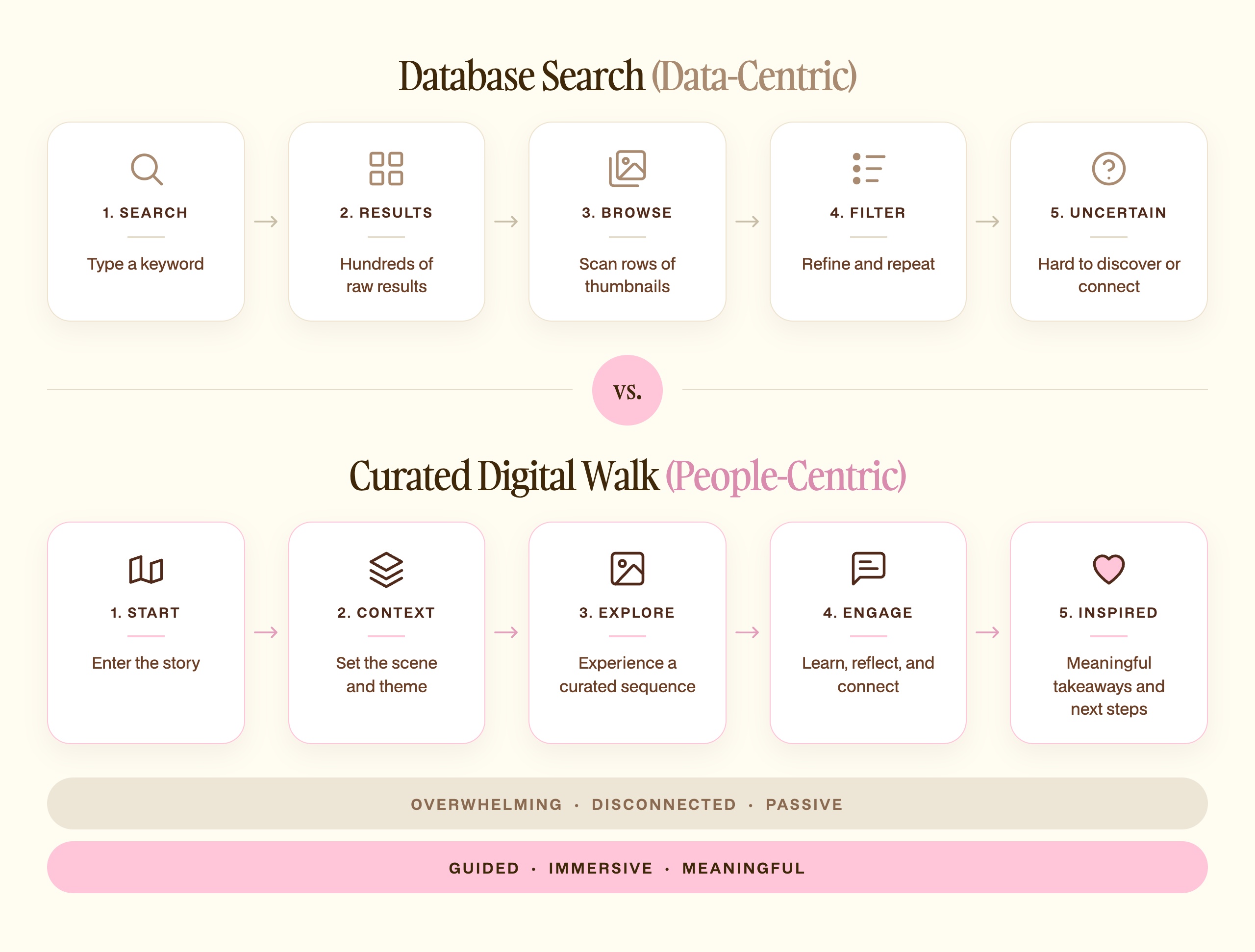
Many traditional museum websites function like massive digital card catalogs. You type a keyword into a search box, get hundreds of raw database results, and scroll through rows of small thumbnails. That functional approach helps academic researchers, but it can feel overwhelming for everyday visitors seeking connection and discovery.
Designing a digital exhibit requires shifting from a database mindset to a curated walk. A great online exhibition leads visitors through a narrative sequence. It pairs striking collection images with wall text, artist backgrounds, and thematic commentary. By controlling the pacing, you give each object space to make an impact.
Negative space plays a massive role in building this sense of physical rhythm online. Wide margins, clean typography, and balanced white space prevent visual fatigue. They allow high-contrast visuals to stand out clearly on screen.
When planning intentional UI hierarchy for your site:
Designers searching for creative layout ideas often explore concept archives on Museum Website Projects - Behance to see how peer institutions structure visual narratives. Learning what makes a great nonprofit website can also help cultural teams balance artistic expression with intuitive site navigation.
Global cultural institutions have set new standards for presenting physical collections in digital spaces. When evaluating award-winning digital experiences, focus on studying how top institutions build meaningful connections between art and audiences rather than copying expensive custom technology.
The Rijksmuseum in Amsterdam transformed its digital presence by framing its online collection through short, episodic stories. Their platform encourages visitors to explore art in focused visual bites. To deliver stunning detail, they integrated ultra-resolution zoom capabilities through tools like Micrio. This technology lets users zoom into microscopic brushstrokes on paintings like Rembrandt's The Night Watch, bringing fine detail to light in ways that physical museum crowds rarely allow.
The Metropolitan Museum of Art balances incredible catalog density with accessible design. Managing more than two million objects spanning 5,000 years, the Met uses structured category tags, subtle background tones, and clear editorial features to keep their immense archive organized.
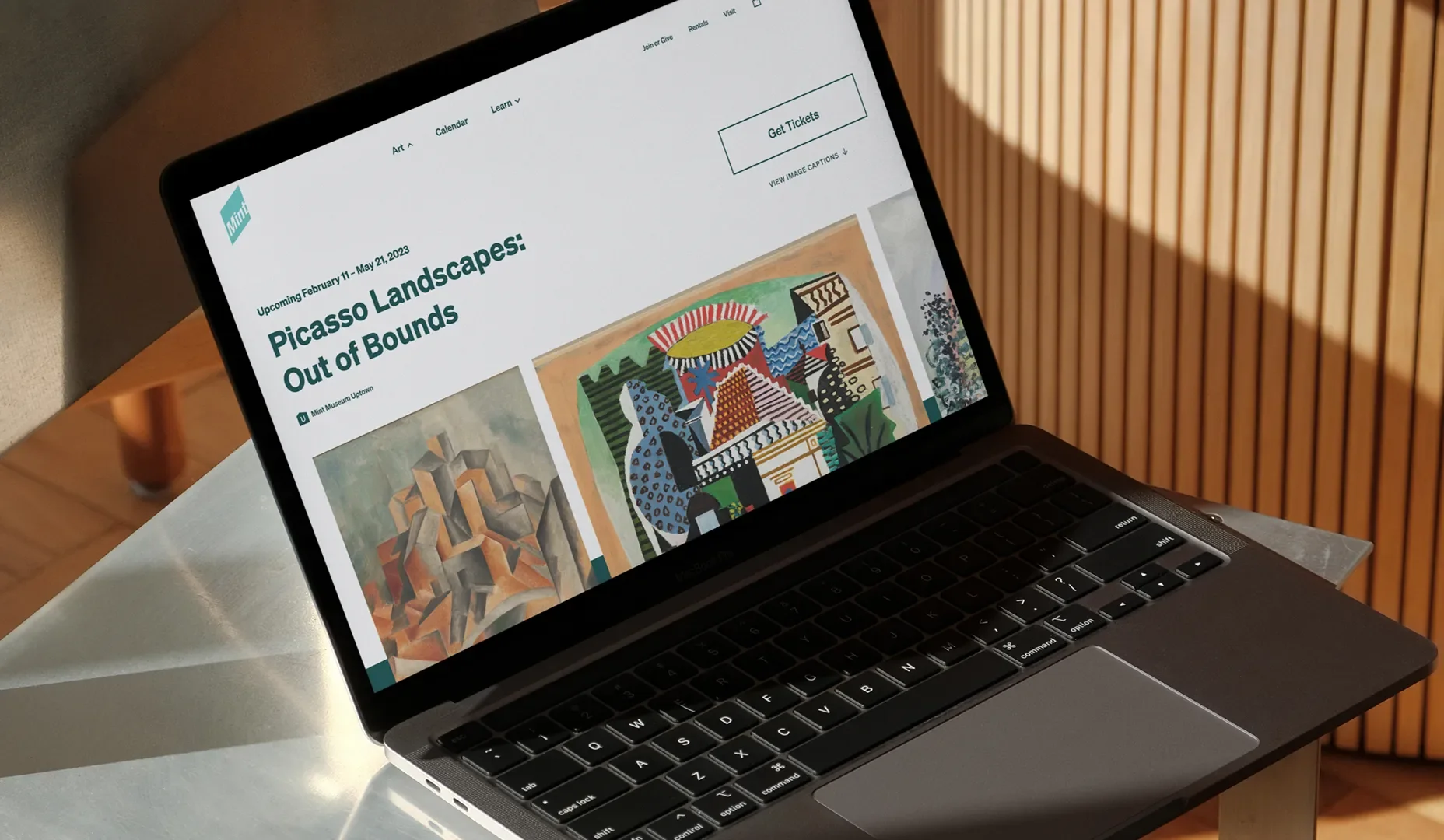
At Social Design House, we brought similar creative energy to our partnership with The Mint Museum in Charlotte, North Carolina. We focused on crafting a vibrant, accessible digital identity that reflects the institution's dynamic physical galleries. Our team loved building a web presence that highlights upcoming exhibitions while keeping ticketing and community access effortless. You can hear more about our collaborative process on our podcast episode Bringing Creative Energy to an Online Experience at The Mint Museum: Inside Scoop Ep. 2.
A museum website must support operational goals while maintaining a refined aesthetic. Visitors come to your website for many reasons. Some want to purchase tickets or check holiday operating hours. Others want to buy unique gifts from the online store or sign up for educational workshops.
The key to successful integration lies in placing operational pathways where users expect them without cluttering curatorial narratives. Keep primary visitor actions, such as buying tickets or joining as a member, anchored clearly in the global navigation bar.
For online retail spaces, keep the design clean and connected to the museum's visual brand:
Fundraising tools also fit into this balanced structure. When organizations ask us can you build websites with donation functionality, we focus on creating smooth, secure giving flows. Exploring strategies for how do you help increase donations and engagement online shows that linking donation appeals directly to impactful restoration projects or community outreach initiatives yields strong results.
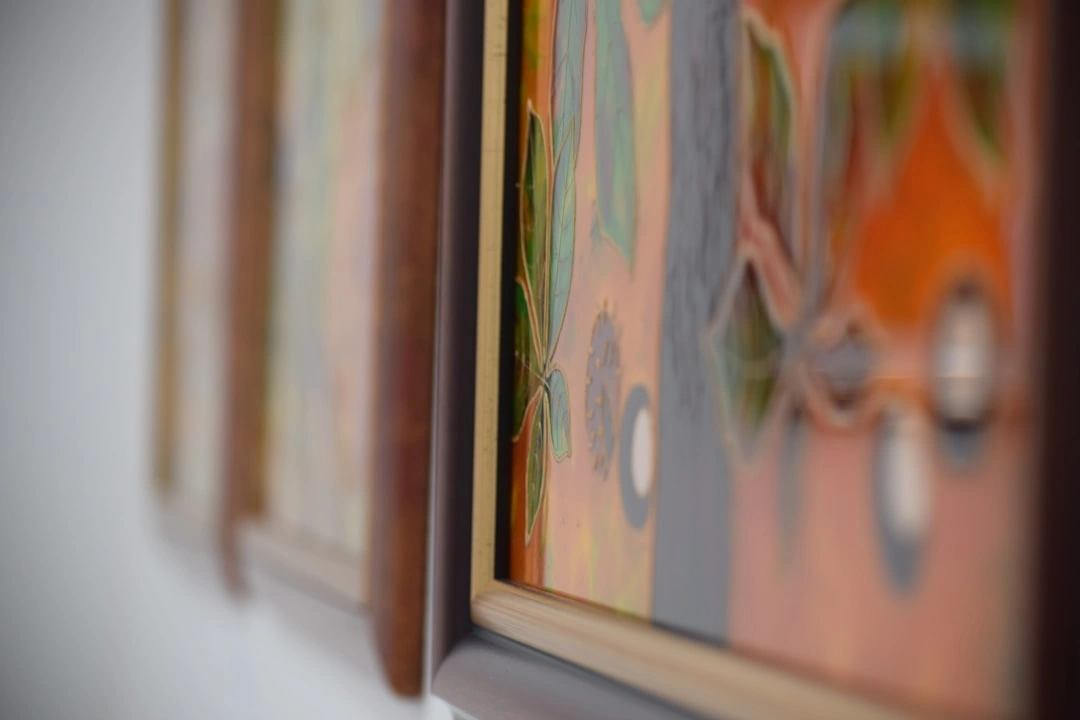
Displaying historical artifacts and fine art online demands strict visual quality. Poor image compression, inaccurate color conversion, or awkward cropping can distort an artwork's original intent. Museum websites require professional color management pipelines to ensure consistent presentation across desktop screens, tablets, and mobile phones.
Modern image formats like AVIF and WebP offer compression efficiency while retaining fine detail. Serving these modern formats through responsive <picture> elements ensures that visitors receive high-resolution files tailored to their screen resolution. Combining static site generation with edge caching through platforms like Next.js allows artwork pages to load almost instantly, even during major exhibition launches.
Image Format / StrategyVisual Quality & Color PreservationPerformance & Loading EfficiencyBest Use Case in Museum DesignAVIFExceptional color depth and sharpness at ultra-small file sizesFastest load speed, excellent bandwidth savingsHigh-resolution hero imagery and collection detail viewsWebPStrong color accuracy with wide browser compatibilitySignificantly lighter than legacy JPEG filesGallery thumbnails, event cards, and general content imagessRGB Color Profile ExportPrevents color shifts across uncalibrated consumer displaysStandard web rendering efficiencyAll web artwork assets to maintain consistent visual fidelityTile-Based Deep ZoomLoads detail tiles on demand without transferring raw master filesReduces initial page weight dramaticallyInteractive close-up viewing of ultra-high-resolution canvas artwork
By using static site generation alongside smart asset loading, cultural sites maintain fast page load speeds without sacrificing visual quality.
Digital exhibitions should welcome every user, regardless of physical ability or technology access. Web Accessibility Initiative guidelines (WCAG 2.1 AA) are essential for public cultural institutions.
Creative web features built with WebGL or GSAP animation engines offer smooth transitions, but they must be implemented thoughtfully. High-contrast themes, screen-reader compatibility, and reduced-motion options make these digital spaces accessible for all visitors.
When implementing advanced 3D visual canvas features, ensure complete accessibility behind the scenes:
prefers-reduced-motion browser settings to automatically replace complex scroll animations with gentle crossfades.When cultural managers ask us do you build websites that support exhibitions, programs, and events, we emphasize that accessibility forms the foundation of every layout we build.
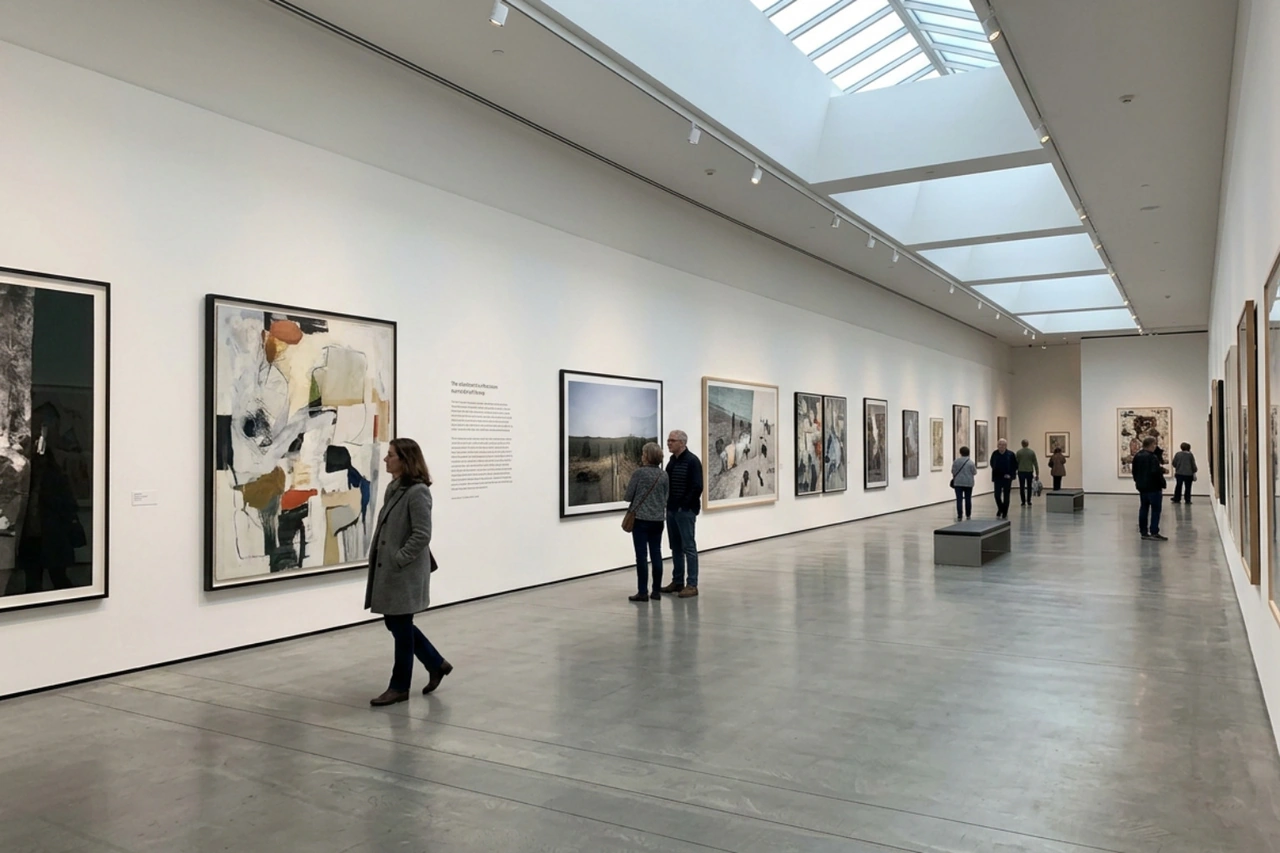
Museum web design continues to adopt interactive layout techniques that break away from rigid vertical grids. These dynamic design elements help cultural sites create immersive digital spaces that match the feeling of walking through physical gallery rooms.
Key emerging design trends include:
Design teams can discover practical implementations across various platforms by reviewing curated showcases on Museum Websites: 30+ Well-Designed Examples (2026). These modern layouts show how creative storytelling techniques keep online visitors engaged longer.
Major metropolitan art institutions often favor clean, minimalist digital environments that let diverse art styles stand out. Smaller or specialized museums have a unique opportunity to build distinctive web identities around their specific focus area.
For example, our team loved crafting a custom web experience for the Greensboro History Museum. We focused on showcasing rich regional stories through interactive archives, clear program schedules, and accessible educational resources that serve educators and local history enthusiasts.
Specialized cultural centers can use targeted brand strategy tactics to establish memorable digital identities:
A distinct digital identity helps specialized cultural institutions stand out online and build strong connections with dedicated audiences.
Balancing rich visual interactivity with high performance requires smart asset management. Lazy loading heavy WebGL scripts ensures that core page text and primary images render immediately.
Techniques like Incremental Static Regeneration (ISR) through Next.js allow servers to cache pre-rendered pages while updating collection data in the background. Synchronizing smooth-scroll libraries with animation frame clocks maintains consistent framerates across desktop and mobile browsers.
The best approach pairs structured search tools with curated storytelling pathways. Presenting thousands of database records all at once often creates decision fatigue for everyday visitors.
Organize broad collections into thematic series or curated digital stories that showcase key highlights first. Use image-first visual cropping to keep gallery grids clean, and offer smart search filters based on historical eras, mediums, or geographic origins so users can explore at their own pace.
Digital design encourages physical attendance and community support by making key visitor actions effortless. Action-oriented UI patterns guide visitors directly toward ticket reservations, hours of operation, and event calendars.
Adding clear call-to-action buttons in the main menu bar keeps ticket buying and donation forms easy to reach from any page. Highlighting unique behind-the-scenes restoration work or local community educational programs builds real emotional connection, encouraging visitors to support your cultural mission.
Creating an engaging online experience requires balancing artistic presentation, modern technical performance, and accessible visitor navigation. Great museum website design brings physical exhibitions to life online, welcoming diverse audiences while serving operational goals like ticket sales, store purchases, and community donations.
Social Design House is a Charlotte-based 10-person creative studio with 16 years of experience operating as a fractional creative team. Our core services include brand identity and strategy, web design and development on Webflow and WordPress, content creation and copywriting, performance marketing, and our AI Brand Framework. We help cultural organizations, nonprofits, and growing brands find their sweet spot through clean strategy and human-centered design.
Whether you are planning a complete digital collection launch or looking to refresh your institution's online presence, exploring our Arts & Museums Industry Page offers valuable insights into our collaborative design process. You can also read our resource on Sweet Spot v.2: Smarter AI Copy & A Museum Website Build Worth Bookmarking to see how we blend storytelling with modern technology.
Simple, not easy. Be the meeting you want to go to. Clarity is a gift. We're an extension of your team, and we are excited to continue building inspiring web experiences that help cultural organizations share their stories with the world. Can't wait to share our next museum project with you!